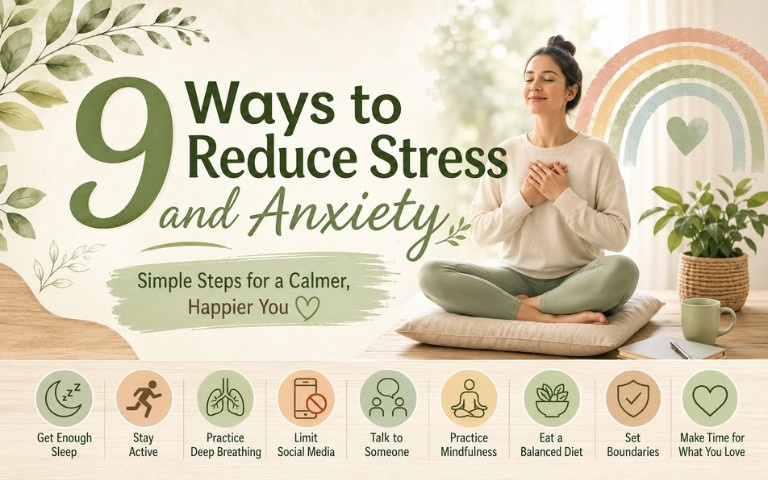
Stress and anxiety have become a part of everyday life for many people. Deadlines, financial responsibilities, family expectations, health concerns, and uncertainty about the future can all place a heavy burden on our minds. While experiencing stress occasionally is a normal part of life, constant stress and anxiety can gradually affect both your mental and physical well-being.
Many people believe they simply have to “live with it,” but that is not true. Stress and anxiety can be managed, and with the right support and healthy habits, they can become much easier to cope with.
It is also important to understand that stress and anxiety are not signs of weakness. They are natural responses to challenging situations. However, when these feelings become overwhelming or begin interfering with daily life, they should not be ignored.
What Causes Stress and Anxiety?
Everyone experiences stress differently. What feels manageable for one person may feel overwhelming for someone else. There is no single cause, and often several factors contribute at the same time.
Some common causes include:
- Financial difficulties
- Academic or workplace pressure
- Relationship problems
- Family responsibilities
- Major life changes
- Health concerns
- Social isolation
- Traumatic experiences
- Unrealistic expectations
- Constant exposure to social media
Sometimes the cause is obvious. Other times, stress slowly builds over weeks or months until it begins affecting your mood, sleep, concentration, and overall quality of life.
How to Reduce Stress and Anxiety
Managing stress does not always require making dramatic changes overnight. Often, small and consistent habits can make a significant difference over time.
1. Get Enough Sleep
Sleep and mental health are closely connected. When you do not get enough quality sleep, your brain struggles to regulate emotions effectively. This can make stressful situations feel even more overwhelming.
Try to maintain a regular sleep schedule by going to bed and waking up at the same time every day. Limiting screen time before bed and creating a relaxing nighttime routine can also improve sleep quality.
2. Stay Physically Active
Exercise is one of the most effective natural ways to reduce stress and anxiety. Physical activity helps release endorphins, which are chemicals that improve mood and promote relaxation.
You do not have to spend hours at the gym. Even simple activities can help, such as:
- Walking
- Cycling
- Stretching
- Yoga
- Dancing
- Light home workouts
The goal is to keep your body moving consistently.
3. Practice Deep Breathing
When people feel anxious, their breathing often becomes shallow and rapid. Deep breathing helps calm the nervous system and signals the body to relax.
Take a few minutes each day to breathe slowly and deeply. Inhale through your nose, hold for a few seconds, and exhale gently through your mouth. Repeating this several times can help reduce tension and improve focus.
4. Limit Social Media
Social media can be entertaining and informative, but spending too much time online may increase stress and anxiety.
Constantly comparing yourself with others, reading negative news, or feeling pressured to keep up with unrealistic lifestyles can affect your mental well-being.
Consider setting daily limits for social media use and spending more time engaging in activities that bring genuine happiness.
5. Talk to Someone You Trust
Many people try to handle everything on their own because they fear being judged. However, talking about your feelings can provide emotional relief and help you feel less alone.
You might speak with:
- A family member
- A close friend
- A trusted mentor
- A counsellor
- A mental health professional
Sometimes simply knowing that someone is willing to listen can reduce emotional pressure.
6. Practice Mindfulness
Stress often comes from worrying about the future or dwelling on the past. Mindfulness encourages you to focus on the present moment instead.
Simple mindfulness activities include:
- Meditation
- Deep breathing exercises
- Journaling
- Spending time in nature
- Paying attention to your surroundings
These practices help quiet racing thoughts and improve emotional balance.
7. Eat a Balanced Diet
What you eat can influence how you feel. Skipping meals or relying on processed foods may affect your energy levels and mood.
Try to include nutritious foods such as:
- Fresh fruits
- Vegetables
- Whole grains
- Lean proteins
- Healthy fats
- Plenty of water
Reducing excessive caffeine and sugary drinks may also help lower feelings of anxiety in some people.
8. Learn to Set Boundaries
Many people experience stress because they constantly try to meet everyone’s expectations. Saying “yes” to everything often leads to exhaustion and burnout.
It is okay to say no when necessary. Setting healthy boundaries protects your time, energy, and mental health. Taking care of yourself is not selfish—it is essential.
9. Make Time for Activities You Enjoy
Life should not only revolve around responsibilities. Spending time doing things you genuinely enjoy helps your mind recharge.
This could include:
- Reading
- Painting
- Gardening
- Listening to music
- Cooking
- Watching your favorite movie
- Spending time with loved ones
Even thirty minutes of enjoyable activity each day can improve your mood.
Small Changes Can Make a Big Difference
Reducing stress and anxiety is not about eliminating every challenge from your life. That simply is not possible. Instead, it is about learning healthier ways to respond to those challenges.
Some days will naturally feel harder than others, and that is perfectly normal. Progress does not happen overnight. Small, consistent steps often lead to the biggest improvements over time.
Remember that taking care of your mental health is just as important as taking care of your physical health. The more attention you give to your emotional well-being today, the stronger and more resilient you become for tomorrow.
Final Thoughts
Stress and anxiety affect millions of people, but they do not have to control your life. By developing healthy habits, staying connected with supportive people, and seeking professional help when needed, you can improve your mental well-being and build a healthier, more balanced life.
Take the first step toward better mental well-being with Transformation. Our compassionate team is here to provide guidance, support, and evidence-based care to help you manage stress, overcome anxiety, and build a healthier, happier future. Reach out today and begin your journey toward lasting emotional wellness.