- Jofa Tower 5th floor, SB-23, Block 13 C, Main University Rd, Gulshan-e-Iqbal, Karachi.
- +92 322 3746726
- tis@transformation.com.pk

9 Signs Your Child Needs Psychotherapy

The Financial Daily Highlights Transformation International Society’s Humanitarian Work
July 31, 2026
Psychiatrist vs Psychologist: What’s the Difference?
August 13, 2026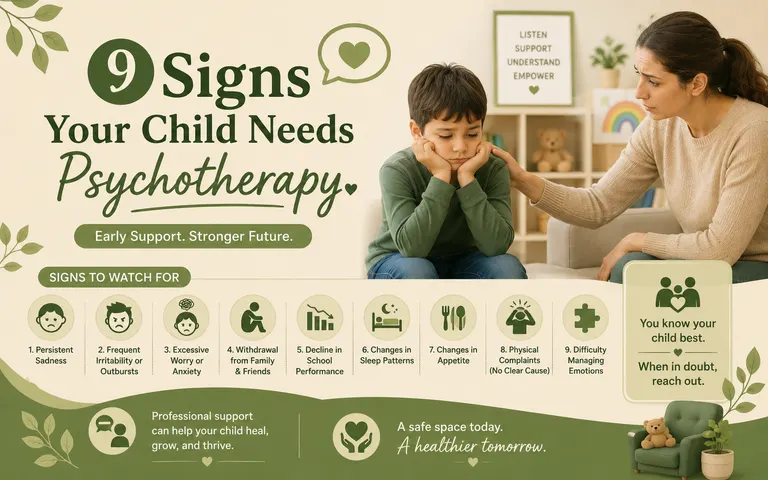
Every child has emotional ups and downs. One day they’re cheerful, the next they’re upset over something that seems small. That’s a normal part of growing up. But when emotional or behavioral changes last for weeks, start affecting school or relationships, or make everyday life difficult, it may be time to look a little deeper.
Many parents hesitate when they hear the word psychotherapy. Some worry it means something is seriously wrong with their child. The truth is, psychotherapy isn’t just for mental illness. It’s a safe and supportive space where children can understand their emotions, learn healthy coping skills, and build confidence.
What Is Child Psychotherapy?
Child psychotherapy helps children express their thoughts and emotions in a healthy way. Depending on the child’s age, therapy may involve talking, play, drawing, storytelling, or other activities that make it easier for them to communicate.
A trained child psychologist or therapist works closely with both the child and the family to understand the challenges they’re facing and develop strategies that support their emotional well-being.
9 Signs Your Child May Need Psychotherapy
1. Their Mood Has Changed for Weeks
It’s normal for children to have occasional bad days. But if your child has been unusually sad, irritable, anxious, or withdrawn for several weeks, it could be more than a passing phase. Pay attention if they:
- Lose interest in activities they once enjoyed
- Cry more often than usual
- Seem emotionally overwhelmed most days
Persistent changes in mood deserve attention rather than waiting for them to “grow out of it.”
2. They Worry About Everything
Some worries are expected, especially before exams or new experiences. However, constant anxiety that interferes with daily life isn’t something children should have to manage alone. Signs of anxiety may include:
- Excessive fear or nervousness
- Constant reassurance-seeking
- Trouble sleeping
- Complaints of stomachaches or headaches without a clear medical cause
Psychotherapy can help children understand their worries and learn practical ways to manage them.
3. Sudden Changes in Behavior
Children often communicate through their behavior before they can put their feelings into words. Watch for changes such as:
- Frequent anger or emotional outbursts
- Aggression toward others
- Defiance that wasn’t present before
- Becoming unusually quiet or isolated
Behavior is often a signal that something deeper is going on.
4. They Struggle at School
If your child’s academic performance suddenly drops or teachers notice changes in behavior, emotional challenges may be playing a role. You might notice:
- Difficulty concentrating
- Lack of motivation
- Avoiding school
- Frequent complaints about going to class
A therapist can help identify whether stress, anxiety, bullying, or another issue is affecting their learning.
5. They Find It Difficult to Make or Keep Friends
Friendships play an important role in a child’s emotional development. Your child may benefit from therapy if they:
- Avoid social situations
- Struggle to communicate with peers
- Frequently argue with friends
- Feel left out or isolated
Therapy can strengthen communication skills, confidence, and emotional regulation.
6. They Have Experienced a Major Life Change
Even positive life events can be overwhelming for children. Examples include:
- Divorce or separation
- Loss of a loved one
- Moving to a new city
- Changing schools
- A serious illness in the family
Psychotherapy gives children a safe space to process these experiences in a healthy way.
7. Sleep or Eating Habits Have Changed
Emotional stress often shows up physically. Look out for:
- Frequent nightmares
- Difficulty falling asleep
- Sleeping much more than usual
- Loss of appetite
- Emotional eating
If these changes continue, they may be linked to underlying emotional concerns.
8. They Have Low Self-Esteem
Children who constantly criticize themselves or believe they “can’t do anything right” may be struggling with self-worth. You may hear statements like:
- “Nobody likes me.”
- “I’m not good enough.”
- “I always mess everything up.”
9. They Have Trouble Managing Big Emotions
Some children find it difficult to cope with frustration, disappointment, or anger. If small situations regularly lead to:
- Intense meltdowns
- Crying spells
- Shutting down completely
- Aggressive reactions
Psychotherapy can teach emotional regulation skills that children can use throughout life.
How Can Psychotherapy Help?
Child psychotherapy isn’t about changing who your child is. It’s about giving them the tools they need to handle life’s challenges in healthier ways. Therapy can help children:
- Understand and express emotions
- Build confidence and resilience
- Improve communication skills
- Manage anxiety and stress
- Strengthen relationships with family and friends
- Develop healthy coping strategies
The earlier emotional concerns are addressed, the easier they often are to manage.
Final Thoughts
Every child deserves to feel heard, understood, and supported. While emotional struggles are a normal part of growing up, they shouldn’t prevent a child from enjoying life, learning, or building meaningful relationships.
If you’ve noticed lasting changes in your child’s mood, behavior, or daily functioning, don’t ignore them. Seeking support isn’t a sign of failure; it’s one of the most caring decisions a parent can make. With the right guidance at Transformation, children can develop the confidence, emotional strength, and coping skills they need to thrive both now and in the future.