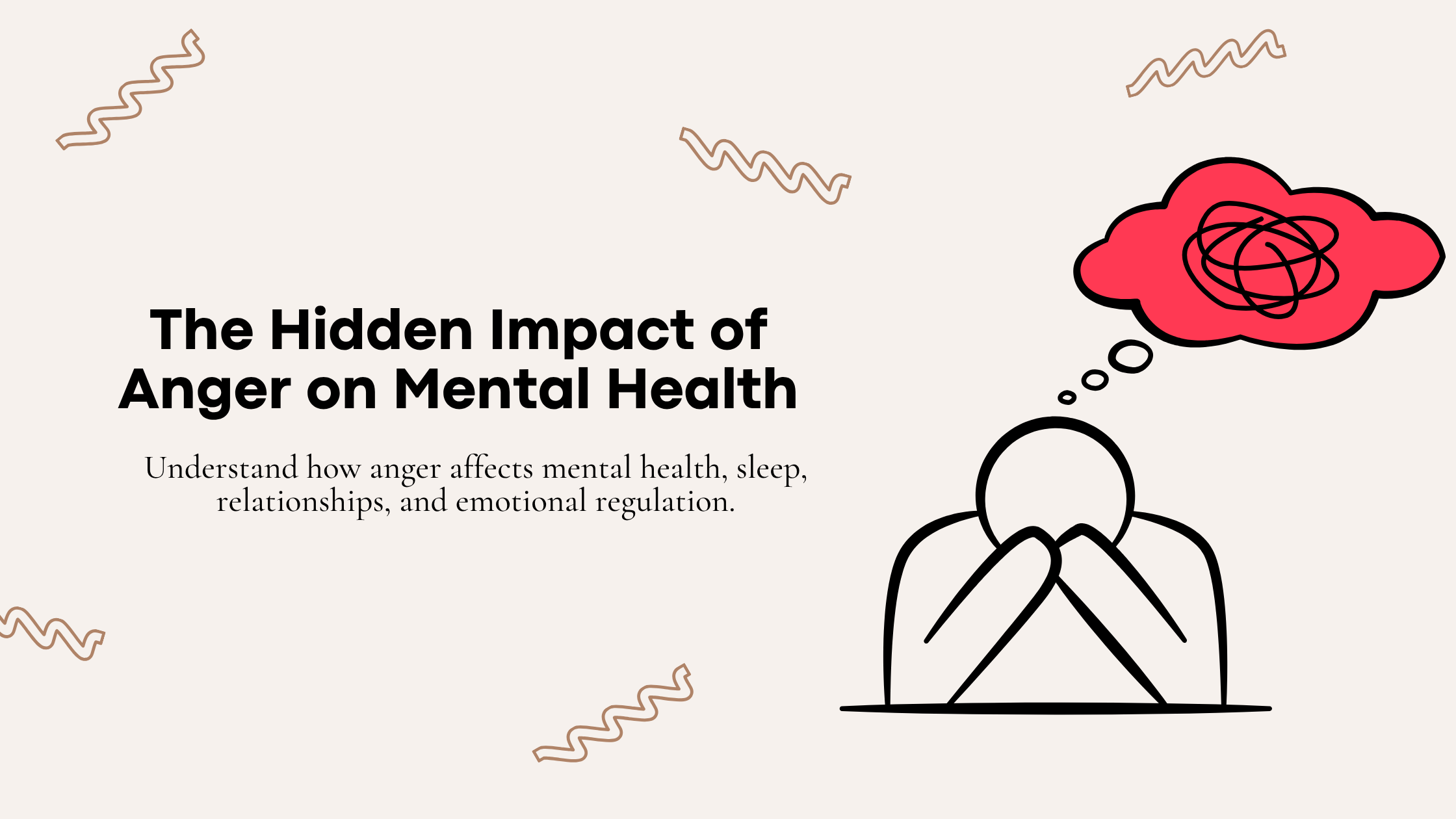
Have you ever felt so angry that your heart races, your hands tighten, and words come out before you can stop them? Or have you ever held your anger inside, smiled at everyone, and gone to bed replaying the same painful moment in your mind? Anger can be loud, but it can also be silent. Sometimes, it appears as shouting and frustration. Other times, it hides behind withdrawal, sleepless nights, constant irritation, or the feeling that even the smallest thing is too much to handle.
But what happens when anger stops being an occasional explosion and starts feeling like your default setting?
Anger is more than a moment of losing your temper. When it becomes frequent, intense, or difficult to control, it can begin to affect your mental health, relationships, sleep, and sense of peace. What starts as a reaction to hurt, pressure, or disappointment can slowly become a pattern that leaves you emotionally exhausted.
The important thing to remember is that feeling angry does not make you a bad person. Anger is a normal human emotion. What matters is understanding what triggers it, how it affects you, and how you respond before it begins to take control.
What Happens in Your Brain and Body When You Get Angry?
According to research, a review of 81 studies found that anger is associated with avoiding difficult emotions, repeatedly dwelling on distressing experiences, and suppressing feelings rather than expressing them constructively.
Anger activates the body’s stress response. The brain detects a perceived threat or injustice and triggers physiological changes that prepare you to respond. Your heart rate may increase, breathing may become faster, muscles may tighten, and your body may release stress hormones such as adrenaline and cortisol.
These reactions can be useful when you need to respond to immediate danger. This is one reason learning emotional regulation matters. It helps create a pause between feeling angry and acting on that feeling.
How Persistent Anger Affects Mental Health
- Anxiety and prolonged stress
Frequent anger keeps your nervous system on edge. You might find yourself constantly waiting for the next argument, getting defensive over minor things, or feeling unable to let your guard down. It is a lonely, anxious way to live.
- Low mood and emotional exhaustion
Unresolved anger breeds rumination. You stay up replaying old fights, imagining future confrontations, and nursing the sting of being wronged. It drains your mental battery, leaves you emotionally bankrupt, and can easily spiral into low mood and depression.
- The Sleepless Cycle
It is almost impossible to rest when your mind is screaming. Going to bed angry ruins your sleep quality, and guess what happens the next day? You wake up with a shorter fuse, less patience, and a higher chance of snapping, creating a vicious cycle.
- Fractured connections
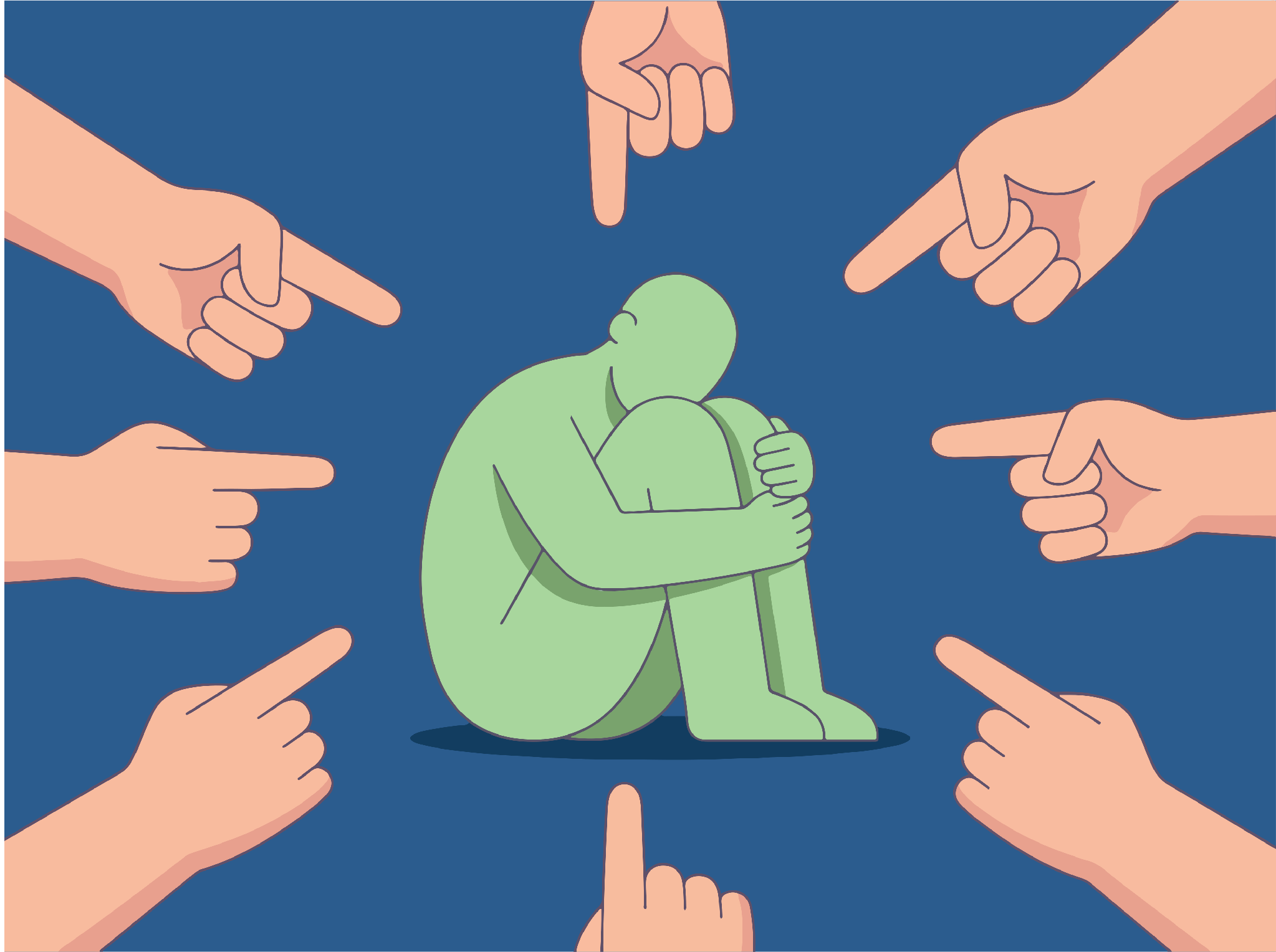
When we lash out or punish people with the silent treatment, we tear down trust. The people you love might start walking on eggshells around you, while you are left feeling completely isolated, misunderstood, and guilty.
Why Is Anger Your Go-To Emotion?
Anger rarely travels alone. Often, it acts as a bodyguard for more vulnerable feelings. It is much easier to get aggressive than to admit, “You really hurt my feelings,” or “I feel completely overwhelmed and invisible.”
However, anger does not always hide another emotion. Sometimes, it is a direct response to a genuine boundary violation or an unfair situation.

Final Thoughts
If your anger is beginning to scare you, hurt the people you care about, or ruin your day-to-day happiness, you don’t have to just live with it. Reaching out to a mental health professional isn’t a sign of defeat; it’s an act of courage.
Struggling with anger doesn’t mean you are beyond help. It just means you are hurting, stressed, or tired of fighting the world. If anger is stealing your peace of mind, reach out to Transformation for professional guidance today. You deserve to live a life that feels calm, connected, and truly within your control.