- Jofa Tower 5th floor, SB-23, Block 13 C, Main University Rd, Gulshan-e-Iqbal, Karachi.
- +92 322 3746726
- tis@transformation.com.pk

Career CounsellingA Detailed Guide

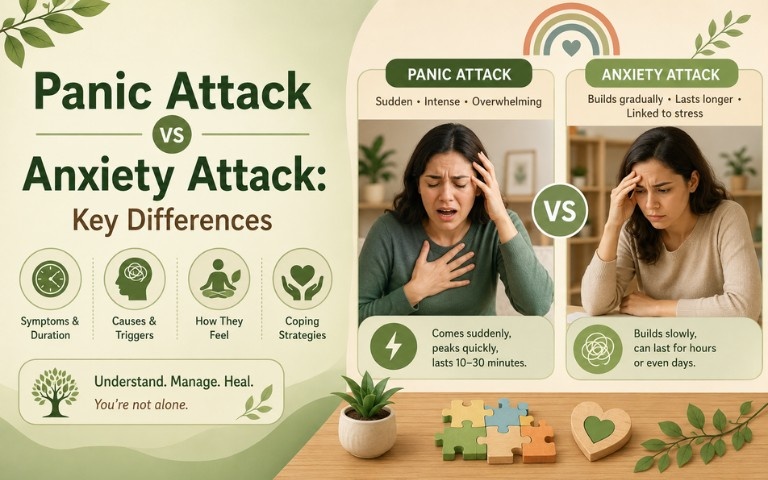
Types of Depression
June 18, 2026
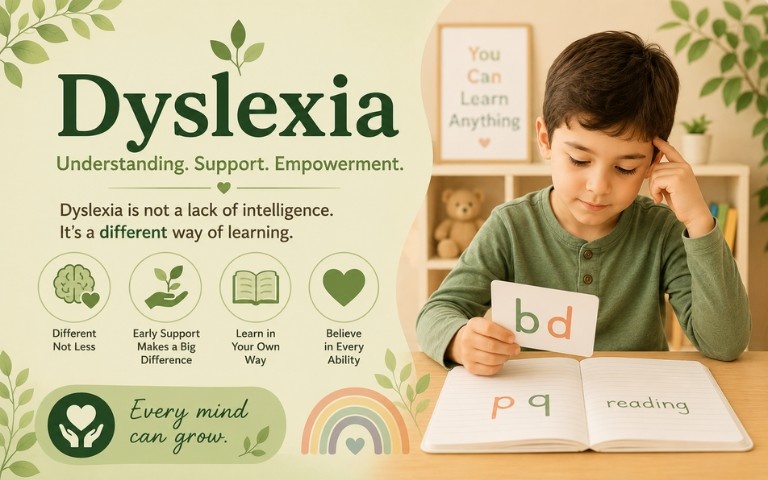
Types of Language Disorders
June 26, 2026
Choosing a career isn’t as simple as picking a job title anymore. With thousands of career options, evolving industries, and increasing pressure from family, society, and even social media, making the “right” decision can feel overwhelming. Many students and professionals find themselves asking the same question: What should I do with my life?
This is where career counselling makes a real difference.
Career counselling isn’t about telling someone what career to choose. It’s about helping individuals understand themselves, explore their options, and make informed decisions that align with their interests, strengths, personality, and long-term goals.
Whether you’re a student choosing subjects, a graduate unsure about your next step, or a working professional considering a career change, career counselling can provide the clarity and confidence you need.
What Is Career Counselling?
Career counselling is a structured process that helps individuals identify suitable career paths based on their interests, skills, personality, values, abilities, and aspirations. It combines professional guidance, self-assessment, career exploration, and planning to help people make informed career decisions.
Instead of relying on guesswork or following what everyone else is doing, career counselling encourages individuals to make choices that fit who they are and what they want to achieve.
A career counsellor works as a guide, helping people understand not only what careers exist but also what careers are likely to suit them best.
Why Is Career Counselling Important?
Many people choose careers based on family expectations, peer influence, job trends, or salary alone. While these factors may seem important, they don’t always lead to long-term satisfaction.
Career counselling helps people make decisions based on a deeper understanding of themselves.
Some of the biggest benefits include:
- Reduces confusion when choosing a career
- Helps identify strengths and areas for improvement
- Explores careers that match personal interests
- Builds confidence in decision-making
- Prevents costly educational mistakes
- Creates realistic academic and career goals
- Improves long-term job satisfaction
Instead of asking, “Which career pays the most?” career counselling encourages a better question: “Which career is the right fit for me?”
Who Needs Career Counselling?
A common misconception is that career counselling is only for high school students. In reality, people at almost every stage of life can benefit from professional career guidance.
1. Students Choosing Subjects
Many students struggle to decide between science, commerce, humanities, or other academic pathways. Career counselling helps them understand which subjects support their future goals while considering their interests and abilities.
2. College and University Students
Choosing a degree is one decision. Knowing what to do after graduation is another. Career counselling helps students explore industries, higher education options, internships, and future career opportunities.
3. Fresh Graduates
Graduating doesn’t always come with a clear career plan. Career counselling can help graduates identify suitable job roles, build career strategies, and enter the workforce with confidence.
4. Working Professionals
Many professionals eventually feel stuck, unfulfilled, or burnt out. Career counselling helps evaluate whether a career change, additional education, or skill development could lead to better opportunities.
What Happens During Career Counselling?
Every counselling session is different because every individual has different goals and experiences. However, most career counselling follows a similar process.
The counsellor begins by learning about the person’s educational background, interests, strengths, achievements, challenges, and future aspirations.
Many career counsellors use scientifically designed assessments that evaluate factors such as:
- Personality
- Interests
- Aptitudes
- Skills
- Work values
- Learning preferences
These assessments provide valuable insights, but are never the only factor in choosing a career.
Once strengths and interests become clearer, the counsellor introduces suitable career paths that align with the individual’s profile.
This often includes discussing:
- Educational requirements
- Job responsibilities
- Salary expectations
- Growth opportunities
- Industry demand
- Future career prospects
Career counselling doesn’t end with career suggestions. It also focuses on creating a practical roadmap that may include:
- Academic planning
- Skill development
- University selection
- Entrance exams
- Certifications
- Internship opportunities
- Long-term career goals
Career Counselling Is More Than Career Advice
Many people confuse career counselling with simple advice.
Advice often sounds like:
“Become a doctor” OR “Engineering has good scope” OR “Computer science is the future”
Career counselling goes much deeper. Instead of giving one-size-fits-all recommendations, counsellors help individuals understand why certain careers may suit them better than others. The goal is to empower people to make their own informed decisions.
Common Myths about Career Counselling
Myth 1: Career counselling tells you exactly what career to choose.
Reality: A counsellor provides guidance, not instructions. The final decision always belongs to the individual.
Myth 2: Career counselling is only for weak students.
Reality: Students of every academic level benefit from career counselling. High achievers often use it to make smarter educational and career decisions.
Myth 3: One test can decide your future.
Reality: Career assessments are helpful tools, but they work best alongside professional discussions, self-reflection, and goal setting.
Myth 4: It’s too late for career counselling.
Reality: Career counselling is valuable at every stage of life. Many people successfully change careers in their 30s, 40s, and beyond.
Final Thoughts
Choosing a career is one of the biggest decisions a person makes, but it doesn’t have to be made alone. Career counselling provides the knowledge, structure, and confidence needed to make thoughtful career decisions based on individual strengths rather than outside pressure.
There is no single “perfect” career for everyone. The right career aligns with your interests, abilities, values, and long-term goals. With the right guidance, finding that path becomes much easier. If you’re feeling uncertain about your future, remember that asking for guidance isn’t a sign of confusion; it’s a smart step toward building a career you’ll genuinely enjoy. At Transformation, our experienced career counsellors help students and professionals discover their strengths, explore the right opportunities, and create a clear roadmap for their future.