- Jofa Tower 5th floor, SB-23, Block 13 C, Main University Rd, Gulshan-e-Iqbal, Karachi.
- +92 322 3746726
- tis@transformation.com.pk

Understanding the Symptoms of Anxiety

Types of Language Disorders
June 26, 2026
Types of Learning Disabilities Explained
July 2, 2026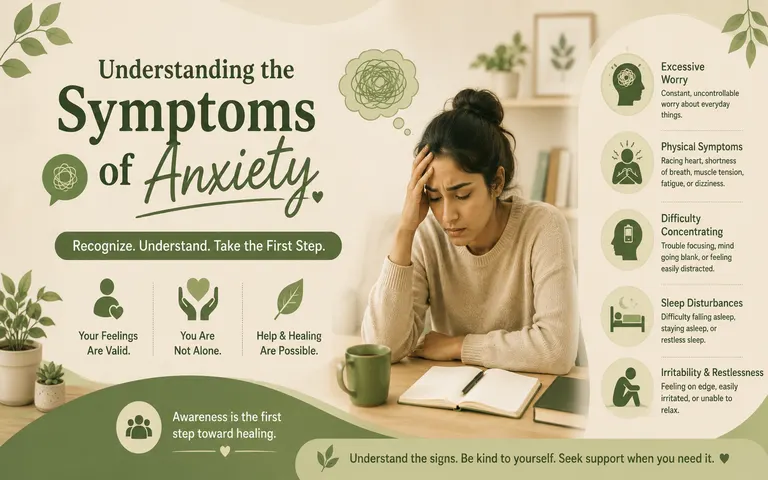
Anxiety is something everyone experiences from time to time. Feeling nervous before an exam, a job interview, or a major life event is completely normal. Anxiety becomes a concern, however, when those feelings persist, become overwhelming, or start interfering with daily life.
This issue is more than just about worrying too much. It is a complex response involving the brain, nervous system, thoughts, emotions, and even physical health. Recognizing the symptoms of anxiety is the first step toward understanding what is happening and seeking the right support.
While symptoms vary from person to person, they generally fall into three main categories: mental and emotional symptoms, behavioral symptoms, and physical symptoms.
Mental and Emotional Symptoms
The mental and emotional symptoms of anxiety are often the most noticeable, though they can sometimes be mistaken for personality traits or everyday stress.
1. Excessive Worry:
One of the hallmark symptoms of anxiety is persistent and excessive worry. This worry is often difficult to control and may focus on everyday situations such as work, health, finances, relationships, or future events. Unlike normal concern, anxious worry tends to be disproportionate to the actual situation. Even when there is little evidence that something will go wrong, the mind continues to anticipate negative outcomes.
2. Racing Thoughts:
People experiencing anxiety often describe their minds as constantly active. Thoughts may move rapidly from one concern to another, making it difficult to focus on a single task or conversation. This mental overactivity can leave a person feeling mentally exhausted, even if they have not engaged in physically demanding activities.
3. Difficulty Concentrating:
Anxiety can significantly affect attention and concentration. When the brain is focused on perceived threats or worries, fewer mental resources remain available for learning, decision-making, problem-solving, and memory. Many individuals report feeling distracted, forgetful, or unable to complete tasks efficiently during periods of heightened anxiety.
4. Feeling Restless or On Edge:
A constant sense of tension or unease is another common symptom. People may feel as though they cannot relax, even when there is no immediate danger present. This persistent state of alertness is linked to the body’s stress response system, which remains activated despite the absence of an actual threat.
5. Irritability:
Anxiety does not always appear as fear or nervousness. In many cases, it manifests as frustration, impatience, or irritability. When the brain is under continuous stress, emotional regulation becomes more difficult. Small inconveniences may feel overwhelming, leading to emotional reactions that seem disproportionate to the situation.
6. Feelings of Dread:
Some individuals experience a persistent sense that something bad is about to happen, even when they cannot identify a specific reason. This feeling of impending doom is particularly common during severe anxiety episodes and panic attacks.
Behavioral Symptoms of Anxiety
Anxiety often influences the way people act and interact with their environment. These behavioral changes may develop gradually and sometimes go unnoticed until they begin affecting daily functioning.
1. Avoidance Behaviors:
One of the most common behavioral symptoms of anxiety is avoidance. A person may avoid situations, places, people, or activities that trigger feelings of anxiety. For example, someone with social anxiety may avoid gatherings, presentations, or meeting new people. Someone experiencing health anxiety may repeatedly avoid medical discussions or constantly seek reassurance.
While avoidance may provide temporary relief, it often strengthens anxiety over time by reinforcing the belief that the situation is dangerous.
2. Seeking Constant Reassurance:
Individuals with anxiety frequently look for reassurance from family members, friends, or professionals. They may repeatedly ask whether everything will be okay or seek confirmation that they have made the right decision. Although reassurance can be comforting in the moment, excessive reliance on it may prevent individuals from developing confidence in their own ability to manage uncertainty.
3. Restlessness and Fidgeting:
Anxiety often creates a buildup of nervous energy. This may appear as pacing, tapping fingers, shaking legs, nail-biting, hair-twirling, or difficulty sitting still. These behaviors are often unconscious attempts to release tension generated by an overactive nervous system.
4. Sleep Disturbances:
Many people with anxiety struggle with sleep. They may find it difficult to fall asleep because their minds are filled with worries, or they may wake frequently throughout the night. Poor sleep can worsen anxiety symptoms, creating a cycle in which anxiety disrupts sleep and sleep deprivation increases anxiety.
5. Reduced Productivity:
Anxiety can affect work, school, and daily responsibilities. Some individuals become overwhelmed by tasks and struggle to begin or complete them. Others may spend excessive amounts of time checking, reviewing, or perfecting their work due to fear of making mistakes. This can result in procrastination, reduced efficiency, and increased stress.
Physical Symptoms of Anxiety
Many people are surprised to learn that anxiety can cause significant physical symptoms. This happens because anxiety activates the body’s fight-or-flight response, a survival mechanism designed to protect us from danger. When this system remains activated for extended periods, physical symptoms can become frequent and distressing.
1. Rapid Heartbeat:
An increased heart rate is one of the most common physical symptoms of anxiety. The body releases stress hormones such as adrenaline, causing the heart to beat faster in preparation for perceived danger. Some individuals may become alarmed by these sensations and mistake them for a heart problem.
2. Shortness of Breath:
Anxiety can alter breathing patterns, leading to rapid or shallow breathing. People may feel as though they cannot get enough air, even when their oxygen levels are normal. This symptom is particularly common during panic attacks.
3. Muscle Tension:
Chronic anxiety often causes muscles to remain tense for long periods. This tension frequently affects the neck, shoulders, jaw, and back. Over time, persistent muscle tension can contribute to headaches, body aches, and fatigue.
4. Sweating and Trembling:
The activation of the nervous system can increase sweating and cause shaking or trembling. These symptoms are part of the body’s natural response to stress and perceived threats.
5. Digestive Problems:
The connection between the brain and digestive system is strong, which is why anxiety frequently affects the gut. Common digestive symptoms include:
- Nausea
- Stomach discomfort
- Bloating
- Diarrhea
- Constipation
- Loss of appetite
In some cases, chronic anxiety may worsen existing gastrointestinal conditions.
6. Dizziness and Lightheadedness:
Changes in breathing and stress hormone levels can contribute to feelings of dizziness, lightheadedness, or feeling faint. Although these sensations can be frightening, they are often linked to anxiety rather than a serious medical condition.
7. Fatigue:
Living in a constant state of alertness requires a tremendous amount of energy. Even when a person appears physically inactive, their body and brain may be working overtime. As a result, fatigue is a surprisingly common symptom of anxiety.
Final Thoughts
The symptoms of anxiety can affect the mind, body, and behavior in ways that are often interconnected. Experiencing occasional anxiety is a normal part of life. However, professional support may be beneficial when symptoms become persistent or intense, or begin to interfere with relationships, work, education, or daily functioning. At Transformation, we believe that awareness is one of the first steps toward better mental health. Anxiety is highly treatable, and with our support, you can learn to manage your symptoms effectively and regain a sense of balance and control.