- Jofa Tower 5th floor, SB-23, Block 13 C, Main University Rd, Gulshan-e-Iqbal, Karachi.
- +92 322 3746726
- tis@transformation.com.pk

Panic Attack vs Anxiety Attack: Key Differences

Types of Dyslexia Explained
July 9, 2026
The Financial Daily Highlights Transformation International Society’s Humanitarian Work
July 31, 2026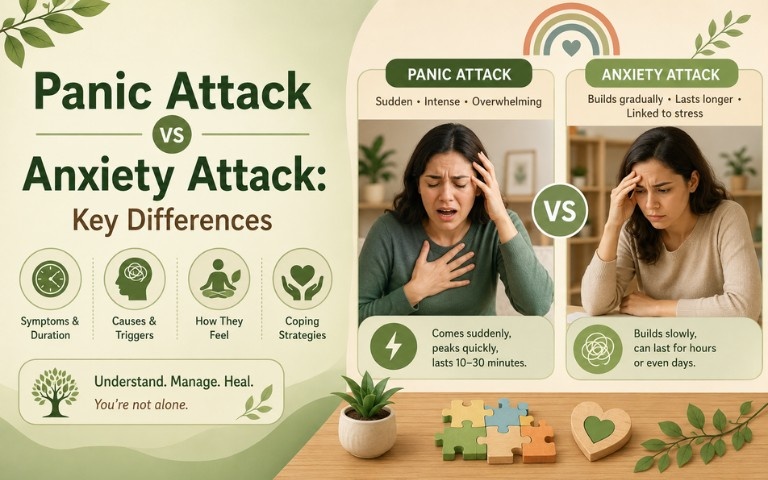
Many people believe that panic attacks and anxiety attacks are the same thing because they share several symptoms. Both can cause intense fear, a racing heart, sweating, and difficulty concentrating. However, they are different experiences.
The biggest difference is how they begin, how intense they become, and how long they last.
Understanding these differences can help reduce fear and confusion while making it easier to recognize what you or someone else may be experiencing.
Panic Attack
A panic attack is a sudden and intense episode of fear that appears without warning. It often reaches its strongest point within a few minutes, even if there is no real danger.
Some people experience their first panic attack while shopping, driving, sitting at work, or even sleeping. Because the physical symptoms are so intense, many people believe they are having a heart attack or another medical emergency.
Symptoms of a Panic Attack
During a panic attack, a person may experience:
- Sudden racing heartbeat
- Chest pain or chest tightness
- Difficulty breathing
- Feeling like they are choking
- Dizziness or lightheadedness
- Trembling or shaking
- Sweating
- Chills or hot flashes
- Tingling or numbness in the hands, feet, or face
- Feeling detached from reality
- Fear of losing control
- Fear of dying
Not everyone experiences every symptom, but panic attacks usually involve several of them at once.
How Long Does a Panic Attack Last?
A panic attack usually lasts between 10 and 30 minutes.
The symptoms rise very quickly, often reaching their peak within 10 minutes, before gradually becoming less intense. Although the attack itself ends, a person may continue feeling exhausted, shaky, or emotionally drained for several hours afterward.
What Causes Panic Attacks?
Panic attacks do not always have an obvious trigger.
Some possible causes include:
- Panic disorder
- Long-term stress
- Traumatic experiences
- Certain phobias
- Excessive caffeine
- Lack of sleep
- Certain medical conditions
- Family history of anxiety disorders
Anxiety Attack
Unlike panic attacks, an anxiety attack usually develops gradually. It is often a response to ongoing stress, worry, or a difficult situation.
For example, someone preparing for an important exam, worrying about money, or waiting for medical test results may notice their anxiety becoming stronger throughout the day.
Instead of appearing suddenly, anxiety slowly builds until it feels overwhelming.
Symptoms of an Anxiety Attack
An anxiety attack may include:
- Constant worrying
- Feeling restless
- Muscle tension
- Rapid heartbeat
- Sweating
- Difficulty concentrating
- Feeling irritable
- Trouble sleeping
- Upset stomach
- Feeling overwhelmed
The symptoms are usually less sudden than a panic attack, but they can still interfere with everyday life.
How Long Does an Anxiety Attack Last?
Unlike panic attacks, anxiety attacks do not usually have a clear beginning or end.
They may last for several hours, and in some cases, the symptoms can continue for days, especially if the stressful situation remains unresolved.
The intensity often rises and falls rather than peaking suddenly.
What Causes Anxiety Attacks?
Anxiety attacks are usually connected to a specific source of stress.
Common causes include:
- Financial problems
- Academic pressure
- Workplace stress
- Family responsibilities
- Relationship difficulties
- Health concerns
- Major life changes
- Ongoing uncertainty
As long as these worries continue, anxiety may also continue.
Can Anxiety Turn Into a Panic Attack?
Yes. For some people, prolonged anxiety can eventually trigger a panic attack.
When stress continues for a long time, the body’s fight-or-flight response may become overwhelmed. This sudden surge of adrenaline can lead to the intense physical symptoms of a panic attack.
However, not everyone with anxiety experiences panic attacks, and many people who have panic attacks do not have ongoing anxiety.
Final Thoughts
Although panic attacks and anxiety attacks are closely related, they are not the same. Panic attacks appear suddenly and cause intense physical symptoms that usually disappear within a short time. Anxiety attacks develop gradually and are often connected to ongoing stress or worry.
Understanding the difference can help reduce fear and encourage healthier conversations about mental well-being. The more we understand these experiences, the better we can support ourselves and those around us.
Transformation is committed to helping individuals better understand their mental health through compassionate care, evidence-based therapies, and personalized support. Contact us today to get personalized help from our professionals.