Have you ever tried to remember something you studied for hours, only to draw a complete blank when someone asked you about it? Or sat in front of your laptop, reading the same paragraph repeatedly without absorbing anything? Sometimes, even making a small decision can feel exhausting when your mind is occupied with too many thoughts.
We often associate stress with headaches, sleepless nights, irritability, and emotional exhaustion. However, its effects go much deeper. Stress can change how our brain processes information, stores memories, maintains attention, and evaluates decisions. This is why continuous stress can make it increasingly difficult to concentrate, remember important details, or think through everyday situations.
What Happens to Your Brain When You Experience Stress?
When we face a stressful situation, our body releases stress hormones, particularly cortisol. Another hormone, adrenaline, increases alertness, speeds up the heartbeat, and prepares the body to react quickly. This is commonly known as the fight-or-flight response.
In the short term, this response can be helpful. Moderate stress before an examination or an important presentation can make us more alert. However, intense or prolonged stress can interfere with brain functions responsible for memory, concentration, and decision-making.

Three important parts of the brain are involved in these processes:
- The hippocampus: Helps us learn new information, form memories, and recall what we have learned.
- The prefrontal cortex: Helps us concentrate, plan tasks, control impulses, and make decisions.
- The amygdala: Helps us process emotions, recognize potential threats, and respond to situations that make us feel unsafe.
These regions work together to help us process information and respond to our surroundings. However, prolonged stress can interfere with their functioning.
How Does Stress Affect Memory?
Have you ever walked into a room and completely forgotten why you went there? Or struggled to recall information you knew perfectly well just a few hours earlier?
Memory involves three important processes: encoding information, storing it, and retrieving it when needed. Stress can interfere with different stages of this process.
The hippocampus plays an important role in forming new memories and organizing information. When we experience stress, cortisol levels increase. Although cortisol is necessary for normal bodily functioning, prolonged exposure to elevated cortisol can interfere with memory formation and retrieval.
This can affect our ability to:
- Remember recently learned information.
- Recall names, dates, and important details.
- Retain new information while studying or working.
- Retrieve information during examinations or stressful conversations.
- Remember multiple pieces of information at once.
For example, students may struggle to recall information during examinations despite having studied thoroughly. Sometimes, the information is stored, but stress makes retrieving it more difficult.
How Does Stress Affect Concentration?
Concentration involves maintaining focus, filtering out distractions, and keeping relevant information in mind. The prefrontal cortex plays a central role in these functions.
When we experience stress, our brain becomes more focused on identifying potential threats. However, when stress continues, our attention can become occupied by worries, leaving fewer mental resources available for other tasks.
Imagine you have an important assignment to complete, but you are also worried about a financial problem or a family disagreement. Even when you sit down to work, your thoughts repeatedly return to these concerns.
You may find yourself:
- Reading the same paragraph several times.
- Starting tasks but struggling to finish them.
- Forgetting what you were doing midway through an activity.
- Becoming easily distracted.
- Taking longer to complete simple tasks.
One reason for this is stress’s effect on working memory, which allows us to temporarily hold and use information. When stress interferes with working memory, following instructions, solving problems, and completing tasks can become more difficult.
How Does Stress Affect Decision-Making?
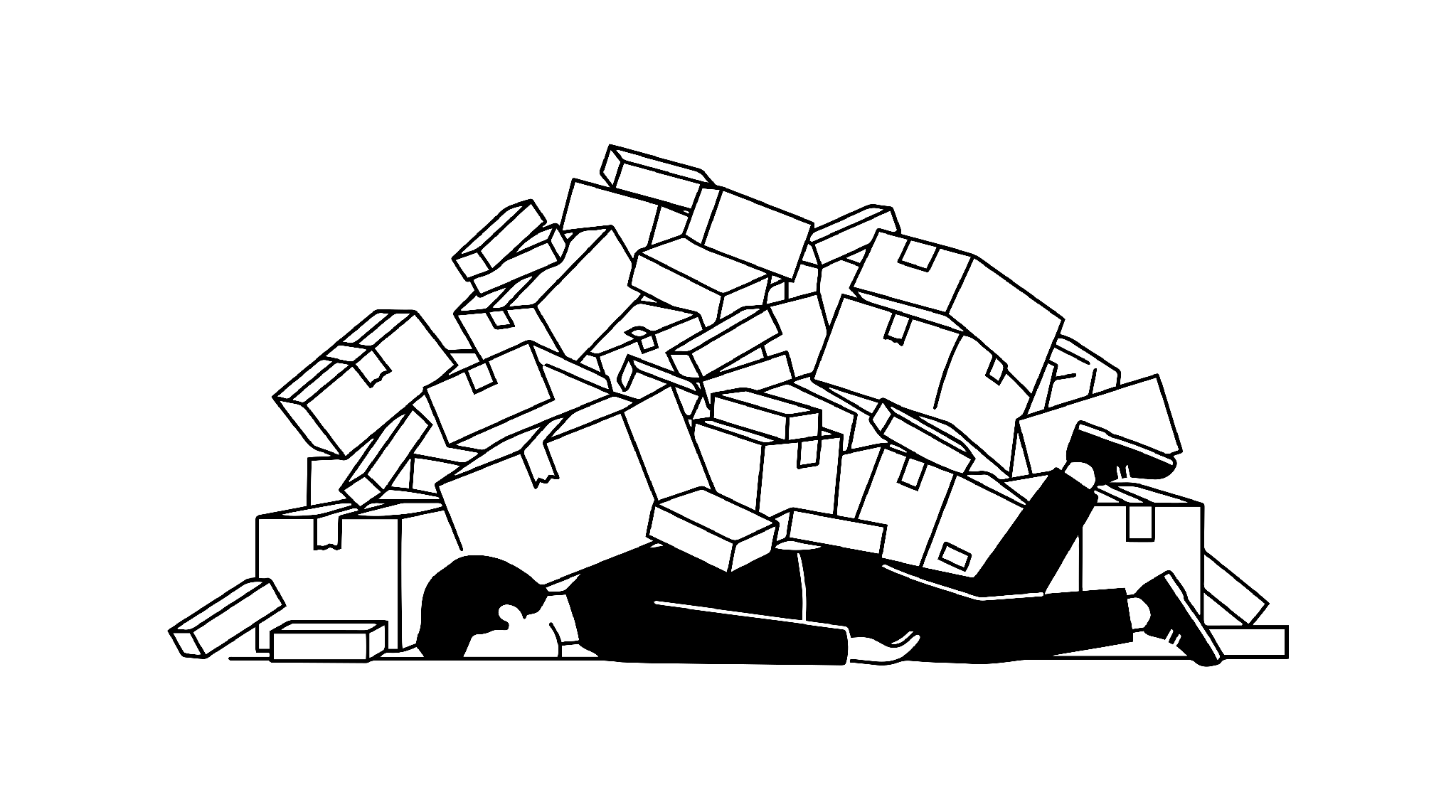
Making decisions involves evaluating information, considering possible consequences, comparing alternatives, and choosing an appropriate option.
The prefrontal cortex supports logical reasoning, planning, impulse control, and the evaluation of future outcomes. However, intense stress can interfere with these functions.
When the brain perceives a situation as threatening, it prioritizes immediate responses over complex thinking. The amygdala becomes more involved in processing emotional and threatening information, while the prefrontal cortex may become less efficient.
This can lead to:
- Impulsive decisions: Acting without considering long-term consequences.
- Difficulty evaluating options: Struggling to compare alternatives.
- Risk-related changes: Becoming unusually cautious or more willing to take risks.
- Emotional decision-making: Allowing immediate emotional reactions to influence choices.
- Decision avoidance: Postponing decisions because the mental effort feels overwhelming.
For example, someone experiencing workplace pressure may react aggressively to a minor disagreement instead of considering the situation calmly. Stress does not affect every decision in the same way, but it can make thoughtful decision-making more difficult.

Effects of Chronic Stress on the Brain
Experiencing occasional stress is a normal part of life. Short periods of stress can help us stay alert and respond to challenges. The concern is chronic stress, particularly when the body repeatedly activates its stress response without sufficient recovery.
Research has associated prolonged stress with changes in brain regions involved in memory, emotional regulation, and decision-making.
For example:
- Prolonged stress can affect hippocampal functioning, potentially interfering with learning and memory.
- Stress can disrupt prefrontal cortex activity, making it harder to maintain attention and control impulses.
- The amygdala can become more reactive to emotional or threatening information, potentially increasing sensitivity to stressful situations.
These changes do not mean that the brain is permanently damaged. The brain remains adaptable, and many stress-related difficulties can improve when stress is reduced and appropriate support is provided.
Final Thoughts
Stress is not simply a feeling of being overwhelmed. It can influence some of the brain’s most important functions, from remembering information and maintaining attention to evaluating situations and making decisions.
Understanding how stress affects the brain is an important step towards recognizing its effects and taking better care of our mental and cognitive health.
If stress is persistently affecting your sleep, memory, concentration, or everyday activities, consider speaking with a qualified mental health professional. Transformation can help identify underlying stressors and develop healthier ways to manage them. Reach out to Transformation to book an appointment for stress management.