- Jofa Tower 5th floor, SB-23, Block 13 C, Main University Rd, Gulshan-e-Iqbal, Karachi.
- +92 322 3746726
- tis@transformation.com.pk

Top Causes of Mental Illness Explained

Celebrated Independence Day & Marka e Haq with Disabilities by Government of Sindh
August 29, 2025
Autism vs ADHD: Key Differences
May 20, 2026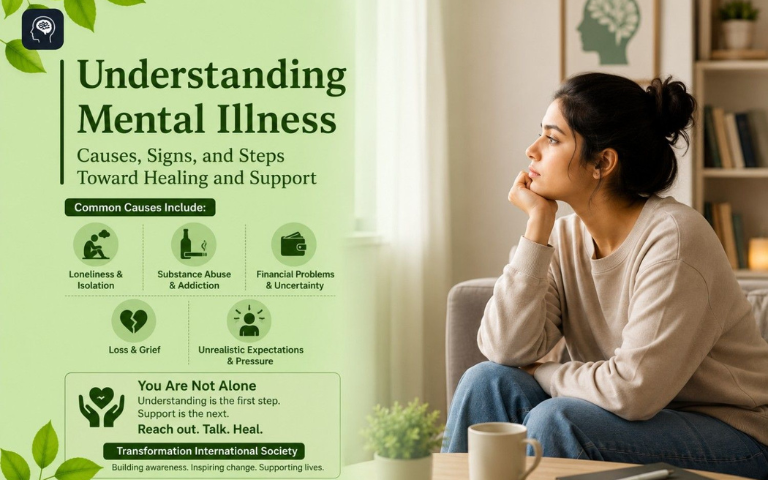
Understanding Mental Illness
A common misunderstanding about mental illness is that it develops instantly, when in reality, it is usually caused by multiple underlying factors that gradually build up over time. Mental health conditions usually develop gradually over time because of different emotional, environmental, psychological, and biological factors.
Sometimes people can clearly identify what affected them, while other times the signs build up so slowly that they do not even realize how deeply they are struggling until it starts interfering with daily life.
Mental illness is not simply about “being sad” or “overthinking too much.” It affects the way people think, feel, behave, process emotions, and interact with the world around them. It can impact relationships, work performance, confidence, physical health, and even a person’s ability to function normally throughout the day.
What is important to understand is that there is no single universal cause behind mental illness. Different people react differently to life experiences. Something that may not deeply affect one individual can completely overwhelm another.
Causes of Mental Illness
Mental health is extremely personal, and the causes behind it are often layered and complicated. Below are some of the major causes that can contribute to the development of mental illness.
Loneliness and Social Isolation
Human beings are naturally social creatures. We need emotional connection, support, understanding, and a sense of belonging. When someone feels emotionally isolated for a long period of time, it can seriously affect their mental well-being, often leading to suicidal thoughts.
Loneliness is not always about physically being alone. A person can be surrounded by people every day and still feel emotionally disconnected. Sometimes individuals feel unheard in their families, neglected in friendships, or emotionally distant in relationships, which slowly creates feelings of emptiness and sadness.
Long-term isolation can lead to:
- Depression
- Anxiety
- Low self-esteem
- Emotional numbness
- Overthinking
- Feelings of hopelessness
The difficult thing about loneliness is that it often creates a cycle. The more mentally exhausted a person becomes, the more they isolate themselves from others, which then worsens their emotional state even further.
In today’s world, many people are constantly connected online but emotionally disconnected in real life. Genuine emotional support has become rare, and this lack of meaningful connection can have a serious impact on mental health.
Substance Abuse and Addiction
Another major cause of mental illness is substance abuse. Many people turn toward drugs, smoking, or other addictive behaviors as a coping mechanism to escape stress, emotional pain, trauma, or personal problems. At first, it may feel like temporary relief, but over time, it often worsens mental health significantly.
Substance abuse can alter brain chemistry and interfere with emotional regulation. It affects mood, judgment, sleep, memory, and overall psychological stability. In many cases, addiction and mental illness become deeply connected.
People struggling with addiction often experience:
- Severe anxiety
- Depression
- Mood swings
- Paranoia
- Emotional instability
- Social withdrawal
Some substances can even trigger mental health conditions that may not have appeared otherwise. Heavy drug use, for example, has been linked with psychosis, panic disorders, and severe depressive episodes.
One of the saddest parts is that many individuals use substances because they are already struggling mentally, but the addiction itself eventually becomes another major source of emotional suffering.
Financial Problems and Uncertainty
Financial stress is one of the most common yet overlooked causes of poor mental health. Constantly worrying about money, bills, responsibilities, unemployment, or an unstable future places tremendous pressure on the mind.
When individuals feel financially trapped, they often experience helplessness and fear about what comes next. The pressure becomes even heavier when people are responsible for supporting their families or meeting societal expectations.
Financial struggles can contribute to:
- Chronic stress
- Anxiety disorders
- Depression
- Sleep disturbances
- Panic attacks
- Feelings of failure
Many people silently carry the emotional burden of financial instability because they feel ashamed of discussing it openly. In some cultures, especially within desi households, financial success is often strongly tied to personal worth and respect, which increases emotional pressure even more.
The constant fear of not being “successful enough” or not being able to provide for loved ones can slowly damage mental well-being over time.
Loss and Grief
Loss is a natural part of life, but grief can deeply affect mental health when emotional pain becomes overwhelming or prolonged. Losing a loved one, ending a relationship, losing a job, or experiencing any major life change can trigger intense emotional distress.
Grief affects everyone differently. Some individuals process emotions openly, while others suppress their pain for long periods of time. Unresolved grief can sometimes develop into depression, anxiety disorders, or emotional withdrawal.
People dealing with grief may experience:
- Persistent sadness
- Difficulty sleeping
- Loss of motivation
- Emotional numbness
- Anger or irritability
- Feelings of emptiness
Sometimes society expects people to “move on” quickly after a loss, but emotional healing rarely works that way. Suppressing grief instead of processing it can slowly affect mental stability over time.
Major life changes can also create emotional instability, even if they seem positive from the outside. Moving to a new city, changing careers, or adjusting to a completely different lifestyle can still trigger anxiety and emotional stress.
Unrealistic Expectations and Pressure
Modern society constantly pushes unrealistic standards regarding beauty, success, relationships, careers, and lifestyles. Many people grow up feeling like they are never doing enough, no matter how hard they try.
The pressure to always perform well, look perfect, stay productive, and meet expectations can become mentally exhausting. Over time, people begin attaching their self-worth to achievements and external validation.
This pressure can come from:
- Family expectations
- Academic pressure
- Social media
- Cultural standards
- Workplace competition
- Personal perfectionism
When individuals constantly feel like they are failing to meet these expectations, it often leads to anxiety, burnout, self-doubt, and depression.
Perfectionism, in particular, can quietly destroy mental health because people become terrified of making mistakes or disappointing others. They place impossible pressure on themselves and eventually become emotionally drained.
Final Thoughts
Mental illness is caused by a wide range of factors, and every individual experiences these struggles differently. Emotional pain cannot always be seen from the outside, which is why compassion and understanding are so important.
Understanding the causes of mental illness helps reduce stigma and encourages healthier conversations about mental well-being. Reach out to us at Transformation International Society and become a part of an inclusive future. The more openly we talk about these issues, the easier it becomes for people to seek help, feel supported, and realize they are not alone in their struggles.