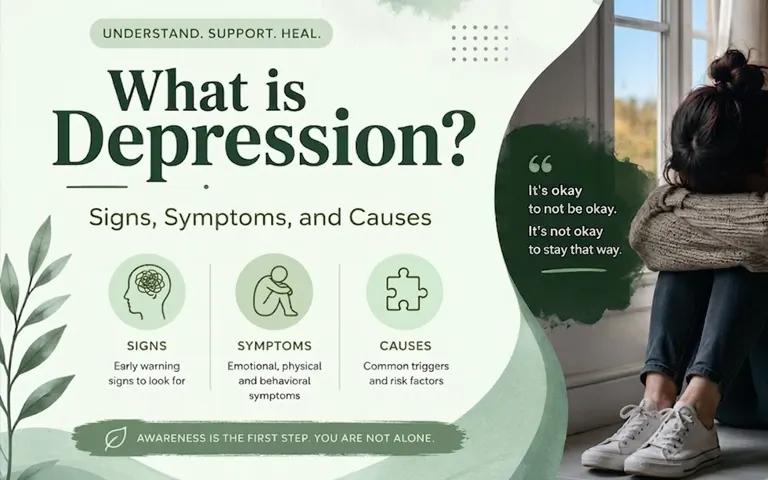
What is Depression?
One thing that many people misunderstand about depression is that they think it is simply another word for sadness. While sadness is a normal human emotion that everyone experiences from time to time, depression is much more complex. It is a mental health condition that affects how a person thinks, feels, behaves, and functions in everyday life.
Everyone has bad days. We all experience disappointment, grief, stress, and emotional pain. Usually, these feelings improve with time and support. Depression, however, tends to linger and can make even the simplest daily tasks feel overwhelming.
What makes depression particularly difficult is that it is often invisible. Someone may continue going to work, attending school, smiling in photographs, and carrying out responsibilities while struggling intensely on the inside. Because of this, many people suffering from depression go unnoticed and unsupported for long periods of time.
The important thing to understand is that depression is not a sign of weakness, laziness, or a lack of gratitude. It is a genuine mental health condition that can affect people of all ages, backgrounds, and lifestyles.
How Depression Affects Daily Life
Depression impacts far more than a person’s mood. It can affect nearly every area of life, including relationships, physical health, work performance, academic success, and overall well-being.
Many individuals with depression describe feeling as though they are carrying an invisible weight that follows them everywhere. Activities that once brought joy may no longer feel enjoyable. Tasks that seemed simple before may suddenly require enormous effort.
Some people experience difficulty getting out of bed, maintaining personal hygiene, completing household chores, or responding to messages and phone calls. Others may continue functioning outwardly but feel emotionally exhausted every single day.
Over time, depression can make individuals feel disconnected from themselves, their loved ones, and the things they once cared deeply about.
Signs of Depression
Depression does not look exactly the same in every person. Some individuals become withdrawn and quiet, while others may appear irritable, frustrated, or emotionally numb.
Some common signs of depression include:
- Persistent feelings of sadness
- Loss of interest in hobbies or activities
- Constant fatigue or low energy
- Difficulty concentrating
- Changes in appetite
- Changes in sleep patterns
- Feelings of worthlessness or guilt
- Increased irritability
- Social withdrawal
- Loss of motivation
- Frequent crying
- Feelings of hopelessness
It is important to remember that experiencing one or two of these symptoms occasionally does not necessarily mean someone has depression. The concern arises when multiple symptoms persist for weeks and begin interfering with daily functioning.
Emotional Symptoms of Depression
One of the most painful aspects of depression is the emotional impact it can have on an individual.
Many people assume depression means feeling sad all the time. While sadness can certainly be part of it, many individuals actually describe feeling emotionally numb. Instead of intense sadness, they may feel empty, detached, or unable to experience emotions the way they once did.
People with depression may also struggle with:
- Excessive self-criticism
- Feelings of failure
- Persistent guilt
- Low self-esteem
- Hopelessness about the future
- Feeling like a burden to others
These thoughts can become overwhelming and make it difficult for individuals to recognize their strengths, accomplishments, and value.
Unfortunately, depression often convinces people that things will never improve, even when support and treatment are available.
Physical Symptoms of Depression
Many people are surprised to learn that depression can also affect the body. Mental health and physical health are closely connected. When someone experiences depression, they may notice physical symptoms that cannot always be explained by a medical condition alone.
Some common physical symptoms include:
- Constant tiredness
- Headaches
- Muscle aches
- Changes in eating habits
- Digestive issues
- Difficulty sleeping
- Sleeping excessively
- Low energy throughout the day
This is one reason why depression can be difficult to identify. Some individuals initially seek medical help for physical complaints before realizing that their mental health may be contributing to their symptoms.
Causes of Depression
There is no single cause of depression. It usually develops due to a combination of biological, psychological, and environmental factors.
Some contributing factors may include:
- Family history of mental illness
- Chronic stress
- Traumatic experiences
- Major life changes
- Long-term health conditions
- Social isolation
- Low self-esteem
- Financial difficulties
- Relationship problems
Sometimes depression develops after a significant life event, such as losing a loved one, experiencing a breakup, or facing a major setback. In other cases, it may appear without an obvious trigger, which can be confusing for both the individual and their family.
This is why it is important to avoid statements such as “You have nothing to be depressed about.” Mental health conditions are often much more complicated than they appear from the outside.
When Should Someone Seek Help?
One of the biggest barriers to treatment is the belief that a person should simply “push through it” on their own. Unfortunately, this mindset often delays recovery.
If symptoms of depression persist for several weeks, interfere with daily life, affect relationships, or make it difficult to function normally, it may be time to seek professional support.
Seeking help is not a sign of weakness. In fact, recognizing that support is needed is often one of the strongest steps a person can take.
Mental health professionals can help individuals understand what they are experiencing, develop coping strategies, and explore treatment options that fit their specific needs.
The earlier depression is recognized, the sooner support and recovery can begin.
Final Thoughts
Depression is much more than temporary sadness. It is a serious mental health condition that can affect emotions, thoughts, physical health, relationships, and daily functioning. While the experience can feel isolating, it is important to remember that millions of people around the world face similar struggles and that help is available.
Understanding the signs of depression is one of the first steps toward reducing stigma and encouraging people to seek support when they need it. No one should feel ashamed of struggling with their mental health, and no one should have to face depression alone. At Transformation, we are committed to promoting mental health awareness and supporting individuals and families through education, advocacy, and compassionate care.