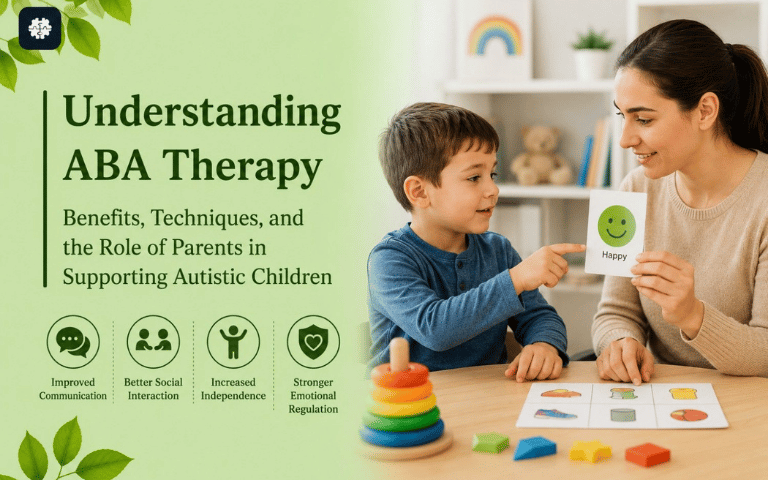
Understanding ABA Therapy
ABA therapy is not simply about “fixing” a child’s behavior. In reality, Applied Behavior Analysis (ABA) therapy is much more than that. It is a structured and evidence-based approach that helps individuals, especially children with autism, develop important life skills that improve their independence and quality of life.
ABA therapy focuses on understanding behavior and how learning takes place. The goal is not to change a child’s personality or force them to behave like everyone else. Instead, ABA therapy helps children strengthen communication, social interaction, emotional regulation, daily living skills, and positive behaviors while reducing behaviors that may interfere with learning or safety.
Every autistic child is different, which is why ABA therapy is usually personalized according to the child’s specific strengths, challenges, and developmental needs.
ABA therapy is widely considered one of the treatment options for Autism Spectrum Disorder (ASD), but it can also help individuals with other developmental or behavioral challenges.
How ABA Therapy Works
ABA therapy is usually broken down into small and manageable steps to make learning easier for children. Therapists work on specific goals depending on the child’s needs and gradually build skills over time.
Some common areas ABA therapy may focus on include:
- Communication skills
- Social interaction
- Eye contact and attention
- Emotional regulation
- Daily routines
- Following instructions
- Self-care skills
- Reducing aggressive or harmful behaviors
For example, if a child struggles with communication, the therapist may teach them how to request things properly using words, gestures, pictures, or communication devices.
Similarly, if a child has difficulty with transitions or routines, ABA therapy may help them learn coping strategies that make changes feel less overwhelming.
The important thing to understand is that progress in ABA therapy often happens gradually. Small achievements eventually build into larger improvements over time.
Importance of Early Intervention
One of the reasons ABA therapy is highly recommended for autistic children is that early intervention can significantly improve developmental progress.
Young children’s brains are still developing rapidly, which means they are often more receptive to learning communication, social, and behavioral skills during early childhood.
Early ABA therapy can help children:
- Develop language skills earlier
- Improve social interaction
- Learn classroom behaviors
- Build independence
- Reduce frustration caused by communication difficulties
However, it is important to remember that improvement can happen at any age. While early intervention is beneficial, older children, teenagers, and even adults can still benefit from behavioral support and skill-building therapies.
Common ABA Therapy Techniques
ABA therapy uses several teaching techniques depending on the child’s needs and learning style.
One common method is Discrete Trial Training (DTT), where skills are taught step-by-step using repetition and rewards. This approach helps children break down complex tasks into simpler parts.
Another method is Natural Environment Teaching (NET), where learning takes place during everyday activities and play. This makes learning feel more natural and comfortable for the child.
Therapists may also use:
- Modeling behaviors
- Visual schedules
- Role-playing
- Task analysis
- Positive reinforcement systems
The techniques vary because every child learns differently. Some children respond well to structured teaching, while others learn better through play and interaction.
Benefits of ABA Therapy
ABA therapy can provide many positive outcomes when tailored properly to a child’s individual needs.
Some potential benefits include:
- Improved communication
- Better social interaction
- Increased independence
- Stronger emotional regulation
- Improved focus and attention
- Reduced unsafe behaviors
- Better adaptability in daily life
Many families also notice that children become less frustrated once they develop healthier ways to communicate their needs and emotions.
For parents, ABA therapy can provide guidance and strategies that help them better support their child at home and in daily routines.
Misconceptions about ABA Therapy
ABA therapy has also faced criticism and misunderstanding over the years, especially because older approaches sometimes focused too heavily on compliance rather than understanding individual needs.
Modern ABA therapy has evolved significantly. Ethical ABA therapy today focuses on supporting the child respectfully, encouraging independence, and improving quality of life rather than forcing children to suppress who they are.
A good ABA therapist understands that autistic children are not “broken” and should never be treated as though they need to become someone else entirely.
The purpose of therapy should always be to help children communicate, feel safer, build confidence, and navigate daily life more comfortably.
Parents should always ensure that therapy environments are supportive, compassionate, and respectful toward the child’s emotional and sensory needs.
The Role of Parents in ABA Therapy
Parents play a huge role in the success of ABA therapy. Since children spend most of their time at home, consistency between therapy sessions and home routines can make a major difference.
Therapists often work closely with parents by teaching them strategies they can use in everyday situations. This helps children practice skills naturally throughout the day instead of only during therapy sessions.
Parental involvement also helps therapists better understand the child’s personality, routines, triggers, strengths, and emotional needs. The strongest progress usually happens when therapists and families work together as a team.
Final Thoughts
ABA therapy is designed to help autistic individuals build important life skills that improve communication, confidence, independence, and emotional well-being. While every child’s journey is different, the right support and guidance can help children thrive in ways that feel meaningful and empowering for them. The most important thing is to approach therapy with patience, compassion, and understanding. Progress does not happen overnight, and every small achievement deserves recognition.
If you are looking for compassionate autism support and therapy guidance, Transformation International Society is committed to helping children and families through personalized care, awareness, and education.