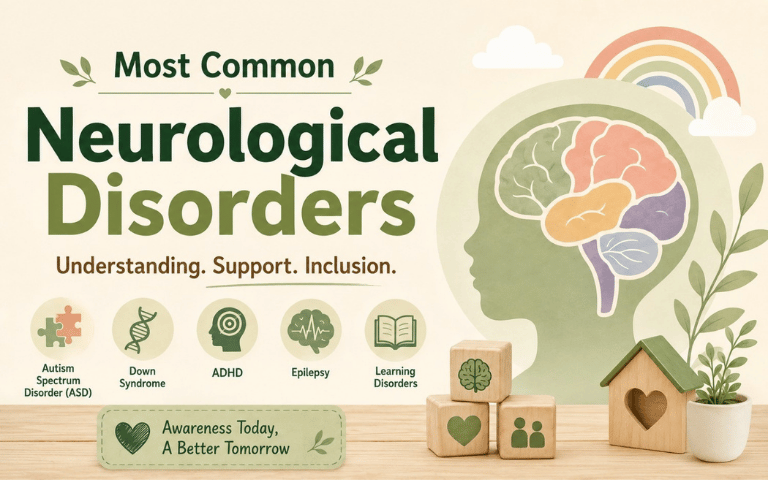
The brain and nervous system control almost everything the body does, from movement and speech to emotions, memory, learning, and behavior. When there is a problem affecting the brain, nerves, or overall neurological development, it can lead to neurological or neurodevelopmental disorders.
These conditions can affect both children and adults. Some are present from birth, while others develop later in life due to injury, genetics, illness, or changes in brain function. Neurological disorders can impact communication, learning, physical movement, emotional regulation, social interaction, and daily life skills.
Many people misunderstand these conditions or only associate neurological disorders with severe physical illness. In reality, neurological and developmental conditions exist on a wide spectrum, and every individual experiences them differently.
Understanding these disorders can help reduce stigma, encourage early diagnosis, and improve support for individuals and families.
1. Autism Spectrum Disorder (ASD)
Autism spectrum disorder is one of the most commonly discussed neurodevelopmental conditions today. Autism affects how a person communicates, interacts socially, processes sensory information, and experiences the world around them.
Autistic individuals may:
- Have difficulty with social communication
- Prefer routines and predictability
- Show repetitive behaviors or interests
- Experience sensory sensitivities to sounds, lights, textures, or crowds
- Communicate differently from others
Autism exists on a spectrum, which means every autistic individual is unique. Some may need significant daily support, while others live independently.
Early intervention, therapy, educational support, and understanding environments can make a meaningful difference in development and quality of life.
2. Down Syndrome
Down syndrome is a genetic condition that occurs when a person is born with an extra chromosome 21. It affects physical growth, learning, and development.
Children and adults with Down syndrome may experience:
- Delayed speech and learning
- Low muscle tone
- Distinct facial features
- Developmental delays
- Mild to moderate intellectual disability
Every person with Down syndrome has different abilities and strengths. Many individuals attend school, participate in community activities, develop strong social connections, and live fulfilling lives with proper support.
Therapies such as speech therapy, occupational therapy, and physical therapy are often helpful in improving communication and independence.
3. Attention-Deficit/Hyperactivity Disorder (ADHD)
Attention deficit hyperactivity disorder, commonly known as ADHD, affects attention, impulse control, and activity levels.
People with ADHD may:
- Struggle to focus or stay organized
- Become easily distracted
- Act impulsively
- Have difficulty sitting still
- Experience emotional dysregulation
ADHD affects both children and adults and is often misunderstood as simply “bad behavior” or laziness. In reality, it is a neurological condition that affects executive functioning and attention regulation.
With support, structure, therapy, and coping strategies, many individuals with ADHD thrive academically, socially, and professionally.
4. Cerebral Palsy
Cerebral palsy is a neurological condition that affects movement, balance, posture, and muscle coordination. It usually results from damage to the developing brain before, during, or shortly after birth.
Symptoms can include:
- Muscle stiffness or weakness
- Difficulty walking
- Poor balance and coordination
- Delayed motor skills
- Involuntary movements
The severity varies from person to person. Some individuals may walk independently, while others may require mobility support.
Therapies and rehabilitation programs can help improve independence and daily functioning.
5. Epilepsy
Epilepsy is a neurological condition that causes repeated seizures due to unusual electrical activity in the brain.
Seizures may involve:
- Sudden shaking movements
- Loss of awareness
- Staring spells
- Muscle stiffness
- Temporary confusion
Epilepsy can affect people of all ages. While seizures may seem frightening, many individuals successfully manage the condition through medication and medical care.
6. Intellectual Disability
Intellectual disability affects learning, reasoning, problem-solving, and adaptive functioning.
Individuals with intellectual disabilities may need support with:
- Communication
- Learning new skills
- Social understanding
- Daily activities
The level of support needed varies greatly. Many individuals continue to learn, develop skills, and participate actively in school, work, and community life when given the right opportunities and encouragement.
7. Dyslexia and Learning Disorders
Learning disorders are neurological conditions that affect how the brain processes information. One of the most common is dyslexia, which affects reading and language processing.
Children with learning disorders may:
- Struggle with reading or writing
- Have difficulty understanding instructions
- Need extra academic support
- Learn differently from peers
These conditions do not reflect intelligence. Many individuals with learning disorders are highly creative and capable, but simply process information differently.
Why Early Support Matters
Early diagnosis and intervention can significantly improve development, communication, confidence, and independence.
Support may include:
- Occupational therapy
- Speech therapy
- Behavioral therapy
- Physical therapy
- Educational support programs
- Emotional and family support
Understanding and acceptance are equally important. Many neurological and developmental conditions are lifelong, but with proper care and inclusive environments, individuals can continue to grow and succeed.
Final Thoughts
Neurological and neurodevelopmental disorders affect millions of individuals worldwide, yet many people still misunderstand them. Neurological conditions are not a sign of weakness or failure. They are medical and developmental conditions that simply affect how the brain and body function.
Awareness, compassion, and early support can make a major difference in helping individuals reach their full potential and feel included in society. We at Transformation International Society are working to create awareness, provide support, and build a more understanding community around neurological disorders, mental health, and general well-being.