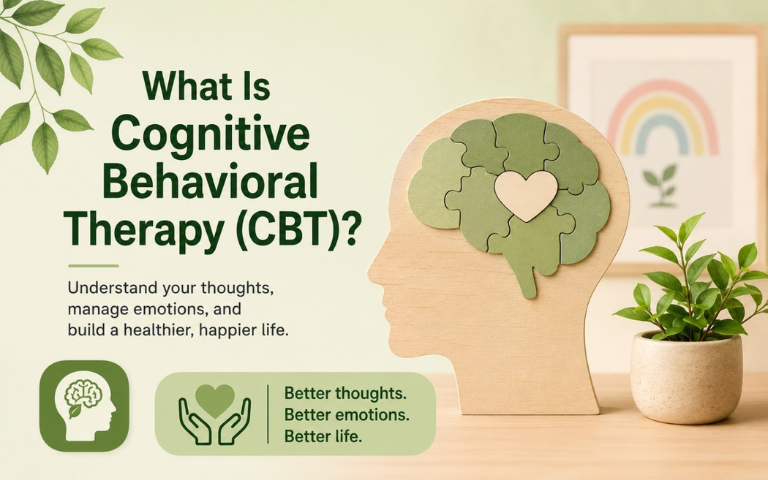
Mental health affects the way people think, feel, and respond to everyday situations. Sometimes negative thoughts become so overwhelming that they begin affecting relationships, work, studies, confidence, and overall well-being. This is where therapy can play an important role, and one of the most widely used approaches today is Cognitive Behavioral Therapy (CBT).
Cognitive Behavioral Therapy is a structured form of talk therapy that helps individuals identify unhealthy thought patterns and replace them with healthier and more balanced ways of thinking. It is based on the idea that thoughts, emotions, and behaviors are all connected. When negative thinking patterns continue for a long time, they can influence emotions and actions in harmful ways.
CBT helps people become more aware of these patterns and teaches practical strategies to manage them more effectively.
Understanding the Core Idea Behind CBT
The foundation of CBT is fairly simple: the way people think affects how they feel and behave.
For example, if someone constantly thinks, “I am not good enough,” they may begin feeling anxious, sad, or hopeless. Those feelings can then affect behavior, causing them to avoid social situations, stop trying new things, or lose motivation.
Over time, this cycle becomes stronger. Negative thoughts create negative emotions, and those emotions influence unhealthy behaviors, which then reinforce the original thoughts.
CBT focuses on breaking this cycle. Instead of automatically accepting every negative thought as true, individuals learn how to examine their thinking patterns, challenge unrealistic beliefs, and replace them with more constructive perspectives.
This does not mean ignoring problems or forcing positivity. Rather, CBT encourages realistic and healthier thinking that supports emotional well-being.
How Cognitive Behavioral Therapy Works
CBT sessions are usually goal-oriented and structured. During therapy, individuals work closely with a trained therapist to understand their emotional struggles and identify the thoughts connected to them.
The therapist may help the individual:
- Recognize negative or distorted thinking patterns
- Understand emotional triggers
- Develop healthier coping mechanisms
- Learn stress management techniques
- Improve emotional regulation
- Build confidence and problem-solving skills
Unlike some forms of therapy that focus mainly on past experiences, CBT often concentrates on present challenges and practical solutions.
Therapists may also assign small activities between sessions to help individuals practice what they have learned in real-life situations. These exercises can include:
- Journaling thoughts and emotions
- Practicing relaxation techniques
- Tracking behavioral patterns
- Challenging anxious thoughts
- Gradually facing fears or difficult situations
These activities help reinforce healthier habits outside therapy sessions.
Conditions CBT Can Help Treat
Cognitive Behavioral Therapy is used for a wide range of mental health conditions and emotional difficulties. It is considered one of the most effective evidence-based therapies for several psychological concerns.
Some common conditions treated through CBT include:
Anxiety Disorders
CBT helps people identify anxious thought patterns and manage excessive worry, panic, fear, and overthinking.
Depression
It supports individuals in recognizing hopeless or self-critical thinking and replacing it with healthier emotional responses.
Obsessive-Compulsive Disorder (OCD)
CBT can help individuals understand intrusive thoughts and reduce compulsive behaviors through gradual coping strategies.
Post-Traumatic Stress Disorder (PTSD)
People dealing with trauma may use CBT techniques to process distressing memories and reduce emotional triggers.
Phobias
CBT often helps individuals gradually face their fears in a safe, controlled way.
Stress and Burnout
It teaches coping skills for managing overwhelming emotions, pressure, and mental exhaustion.
CBT may also benefit people struggling with anger issues, low self-esteem, grief, relationship challenges, and emotional regulation difficulties.
Common Techniques Used in CBT
CBT uses several practical methods to help people manage emotions and behaviors more effectively.
Cognitive Restructuring
This technique focuses on identifying irrational or harmful thoughts and replacing them with healthier alternatives.
For example, “I always fail” may become “I made a mistake, but I can improve.”
Exposure Therapy
Often used for anxiety and phobias, this method gradually helps people face situations they fear instead of avoiding them.
Behavioral Activation
This encourages individuals to participate in activities that improve mood, motivation, and emotional well-being.
Mindfulness and Relaxation
Breathing exercises, grounding techniques, and mindfulness strategies may also be included to help manage stress and anxiety.
These techniques aim to create healthier thought patterns and improve daily functioning over time.
Is CBT Suitable for Children?
Yes, CBT can be highly effective for children and teenagers as well. Therapists often adapt the sessions according to the child’s age, communication style, and emotional needs.
For younger children, therapy may include:
- Games and storytelling
- Drawing or creative activities
- Emotional recognition exercises
- Social skill development
- Problem-solving activities
CBT can help children better understand their emotions, express themselves more confidently, and develop healthier coping mechanisms.
It is commonly used for children experiencing anxiety, behavioral challenges, emotional regulation difficulties, or stress-related concerns.
Benefits of Cognitive Behavioral Therapy
One reason CBT is so widely recommended is that it provides practical, long-term coping skills that individuals can continue using even after therapy ends.
Some major benefits of CBT include:
- Improved emotional awareness
- Healthier thinking patterns
- Better stress management
- Increased confidence and self-esteem
- Stronger coping skills
- Improved communication and relationships
- Reduced symptoms of anxiety and depression
Many people appreciate that CBT is active and solution-focused, helping them apply techniques directly in everyday life.
Final Thoughts
Cognitive Behavioral Therapy is more than simply talking about emotions. It is a practical and structured approach that helps individuals understand the connection between thoughts, feelings, and behaviors.
Mental health struggles can affect anyone, and seeking support should never be viewed as a weakness. Learning how to manage emotions and unhealthy thought patterns can make everyday life feel more balanced, manageable, and hopeful.
With the right support and guidance, people can develop healthier ways of thinking and build stronger emotional resilience over time.
At Transformation International Society, we are committed to spreading awareness about neurodevelopmental conditions and their treatment options. Contact us for more treatment options.